Freelance Deposits: How Much to Charge Upfront
You finish a project, send the invoice, and then hear nothing. No reply, no payment — just silence. A freelance deposit solves this before it starts. Requiring money upfront filters out low-commitment clients and ensures you get paid for at least part of the work before you invest your time. This guide covers exactly how much to charge, how to ask without friction, and what to do when a client pushes back.
Why Freelancers Should Always Charge an Upfront Deposit
The numbers are stark: a survey from the Independent Economy Council found that 72% of freelancers have outstanding unpaid invoices, and 59% of those are owed $50,000 or more for completed work.
A deposit does two things. It creates a financial commitment from the client, making them far less likely to ghost you. It also covers your time on discovery, planning, and early deliverables — work that has value even if a project falls apart.
Think of it less as distrust and more as standard business practice. Every contractor, photographer, and event planner charges upfront. You should too.
How Much to Charge as a Deposit (Typical Ranges)
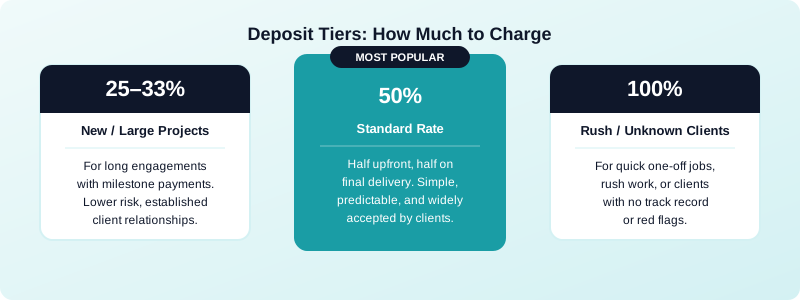
There is no single right answer, but the industry has clear norms. Most freelancers charge between 25% and 50% upfront, depending on project size, client history, and risk level.
- 25–33% — Reasonable for large, long-term projects with established clients where milestone payments cover the rest.
- 50% — The standard for most project-based work. You get half upfront and half on delivery. Simple, predictable, widely accepted.
- 100% — Appropriate for rush jobs, small one-off tasks, or any client showing red flags like vague scope or reluctance to sign a contract.
A practical rule: the less you know about a client, the higher your deposit should be. New clients with no track record warrant a full 50% before you write a single line or design a single frame.
For longer projects, a thirds structure works well: one-third at signing, one-third at a midpoint milestone, and one-third at final delivery. This keeps cash flowing without asking for the full amount before you have started. Whatever structure you choose, tie it to clear milestones and document it in your contract. That connects directly to setting freelance payment terms — the clearer your terms are in writing, the fewer disputes you will face.
How to Ask for a Deposit Without Scaring Clients Away
Most clients, especially those who have hired freelancers before, expect a deposit. The way you frame it matters more than the percentage itself.
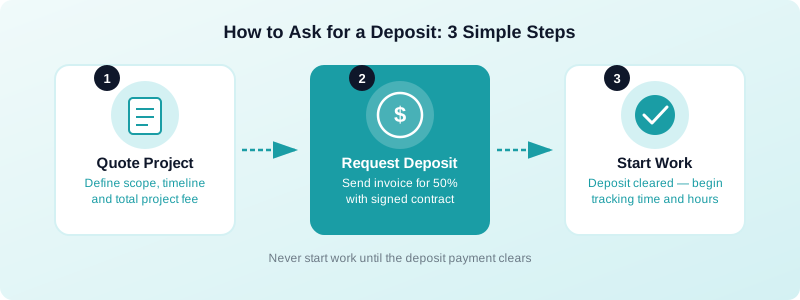
Do not apologize for it. State it as a standard part of your process, not a special request. Something like: "My standard terms include a 50% deposit before work begins, with the balance due on final delivery." That framing signals professionalism, not desperation.
Send a simple one-page contract alongside your invoice. It should spell out the scope, timeline, deposit amount, and what happens if the project is cancelled. When clients see a deposit tied to a clear agreement, they rarely balk.
If a client questions the deposit, explain that it allows you to block off time and resources specifically for their project. This reframes the deposit as a benefit — they are securing your availability, not just handing over cash. You can also read more about getting clients to pay on time for additional tactics that reinforce good payment habits from the start.
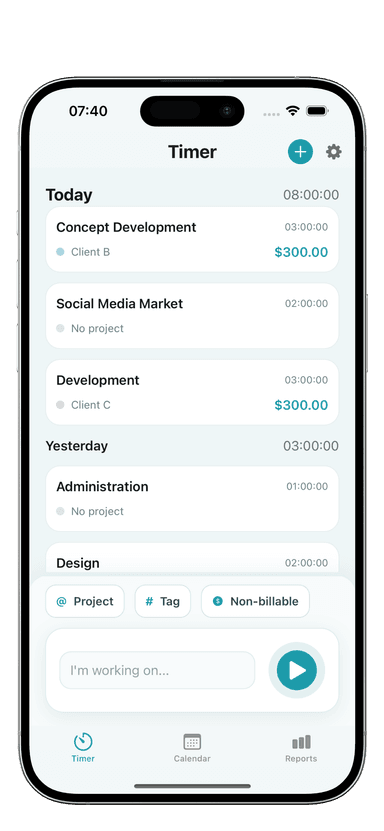
Once a deposit-based project kicks off, use Toggle Time Tracker to log your hours against each milestone. That way you always know exactly how much time you have invested before the next payment is due — and you have the data to back up your invoice.
What to Do When a Client Refuses to Pay a Deposit
A client refusing a deposit is a warning sign, not a negotiating position. It often signals cash flow problems, a lack of seriousness, or a pattern of not paying. Take that seriously.
Your first move is to hold firm. Explain that your deposit policy protects both parties and is non-negotiable. Many clients who initially push back will agree once they understand it is standard practice.
If they still refuse, consider whether the project is worth the risk. You can offer a smaller deposit — say 25% — as a compromise for a well-known or low-risk client. But if the client is new and unwilling to commit any money upfront, walking away is often the right call.
Never start work without at least some form of payment or a signed contract with explicit payment terms. The cost of one unpaid invoice far outweighs the cost of losing a single prospect.
Build a Deposit Policy That Protects Your Business
A consistent deposit policy makes every sales conversation easier. You do not have to negotiate case by case — you simply explain how you work.
Write your policy into your contract template so it applies automatically to every new project. State the deposit percentage, when it is due (typically at contract signing), and whether it is refundable if the client cancels. Most freelancers make deposits non-refundable, but allow the amount to be applied to a future project as a goodwill gesture.
Review your policy annually. As you build a reputation and a roster of repeat clients, you may adjust percentages or introduce milestone-based structures for longer engagements. A strong deposit policy feeds directly into your overall freelance invoicing process — when both are solid, getting paid becomes the predictable part of the job rather than the stressful part.
Protecting your time starts before you open a new document or write the first line of code. Set your deposit, state it clearly, and only start work once the payment clears. Toggle Time Tracker helps you stay on top of billable hours throughout the project so every milestone invoice is backed by accurate, real-time data.
Download Toggle Time Tracker on the App Store and start tracking time the moment that first deposit lands.