Freelance Client Intake Questionnaire: What to Ask
A client intake questionnaire is the first system between you and a new project. Its job is to surface information that prevents problems: unclear scope, mismatched budgets, unrealistic timelines, and client-freelancer fit issues that would have been visible with the right questions.
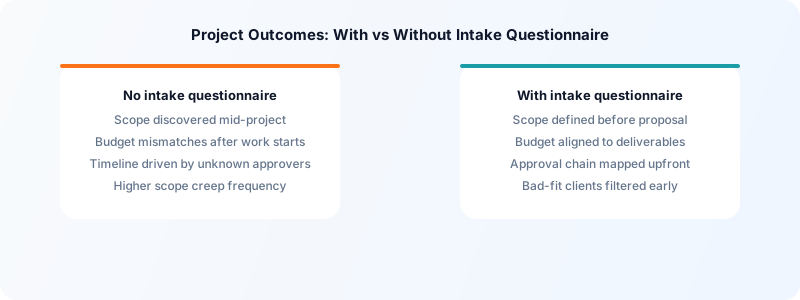
Most freelancers skip it or do it informally. The result is projects that start with gaps in understanding that become disputes later. A structured intake questionnaire takes 10 minutes to complete and saves hours of misalignment work.
What a Client Intake Questionnaire Does
An intake questionnaire serves several functions at once:
- Gathers the factual information you need to scope and price the project
- Helps you assess whether the project and client are a good fit
- Sets a professional tone before the project begins
- Gives the client a chance to articulate what they want — which often clarifies it for them too
A well-designed questionnaire positions you as organized and thorough. Clients who've worked with disorganized freelancers appreciate it immediately.
The Core Questions to Include
Project Basics
These establish the foundation of what you're building a quote around.
- What is the project or deliverable you need?
- What is the primary goal or outcome this project needs to achieve?
- Do you have existing brand guidelines, assets, or examples I should follow?
- What has been done on this project before, if anything?
Scope and Deliverables
These prevent the "I thought that was included" conversation.
- What specific deliverables do you expect at the end of this project?
- Are there any deliverables or services explicitly NOT in scope?
- How will you measure whether this project is successful?
- How many rounds of revisions do you typically expect?
Timeline
- When does the final deliverable need to be completed?
- Are there any hard deadlines driven by external events (launch dates, events, contracts)?
- When can you reliably provide feedback and approvals? (This is often the real timeline bottleneck)
Budget
Ask this directly. Vagueness about budget wastes both parties' time.
- What is your budget range for this project?
- Is the budget fixed, or is there flexibility if the scope expands?
Many clients have been coached to withhold budget information. Explain why you ask: "This helps me structure a proposal that fits your constraints rather than a wish list you can't afford."
If they won't answer, that's information too. See how to vet freelance clients before accepting work for how to handle budget resistance.
Communication and Process
- Who will be my main point of contact for this project?
- How many stakeholders will be involved in approvals?
- What communication tools do you use (email, Slack, project management software)?
- How quickly do you typically respond to questions or provide feedback?
The stakeholder question is crucial. A project with five approvers is fundamentally different from a project with one. The approval chain often determines whether a 6-week project takes 6 weeks or 14.
Decision-Making
- Have you worked with freelancers on this type of project before?
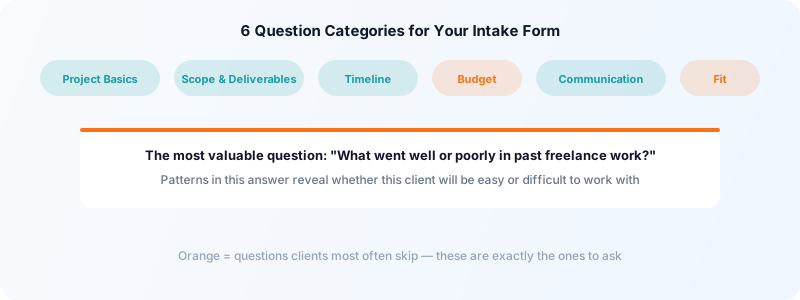
- What went well or poorly in past freelance engagements?
- Who makes the final decision to approve the work?
The "past freelance engagements" question is one of the most valuable in the entire questionnaire. Clients who've had consistently difficult experiences often reveal the pattern here. Clients who speak well of past freelancers and articulate specific reasons tend to be better collaborators.
Fit and Expectations
- Are there other freelancers or agencies being considered for this project?
- What's most important to you: speed, price, or quality?
- Is there anything about this project I should know that hasn't come up yet?
The "speed, price, or quality" question doesn't have a wrong answer — but it reveals what the client actually values. A client who says price is most important is telling you something about how they'll respond to change orders and scope discussions.
Delivery Format
The questionnaire can be delivered as:
- A Google Form or Typeform with automated responses saved to a spreadsheet
- A PDF sent with the initial inquiry response
- A fillable section in your proposal or project brief
- An intake page on your website (for high-volume inbound inquiries)
For most freelancers, a simple form link in your initial email reply is sufficient. "Before I can put together a proposal, I'd find it helpful to get some more context — here's a short questionnaire, typically takes about 10 minutes."
What to Do with the Answers
Review the questionnaire before any discovery call or proposal work. Look for:
- Mismatched scope vs. budget: $500 budget for a 60-hour project is a no.
- Multiple decision-makers with no clear authority: Projects with five approvers and no clear decision-maker almost always go over timeline.
- Vague success criteria: "I'll know it when I see it" is a revision policy disaster waiting to happen.
- Red flags from past freelancer experiences: Patterns of blame, unusually frequent bad experiences.
The questionnaire also populates your client context file — the document you review before each work session to reload the mental model for that client.
Tracking Time on Intake and Scoping
Intake and scoping time is real work. Track it in Toggle Time Tracker, tagged to the prospective client. If the project doesn't materialize, you have data on your sales/intake overhead. If it does, this time may be billable as discovery work depending on your agreement.
After several months of tracking, you'll see what your real intake-to-project conversion rate looks like — which helps you decide how much investment is warranted per prospect.
For the full client relationship management workflow, see freelance client communication templates and how to manage multiple freelance clients.
Download Toggle Time Tracker to track intake time and see the real overhead behind each new project relationship.